How to Prepare Financial Statements in LA: A Step-by-Step Guide for Entrepreneurs


Understanding Financial Statements
Financial statements are essential documents that provide a snapshot of your business's financial health. They consist of the balance sheet, income statement, and cash flow statement. These documents help entrepreneurs make informed decisions and attract potential investors.

In Los Angeles, a hub for startups and entrepreneurs, preparing accurate financial statements is crucial. Whether you're a new business owner or looking to refine your financial strategies, understanding these documents is a vital step.
Step 1: Gather Your Financial Information
Before you start preparing financial statements, gather all necessary financial data. This includes bank statements, invoices, receipts, and any other financial transactions. Having organized records will simplify the entire process.
Consider using accounting software to streamline this step. Tools like QuickBooks or Xero can automate data entry and ensure accuracy.
Step 2: Prepare the Balance Sheet
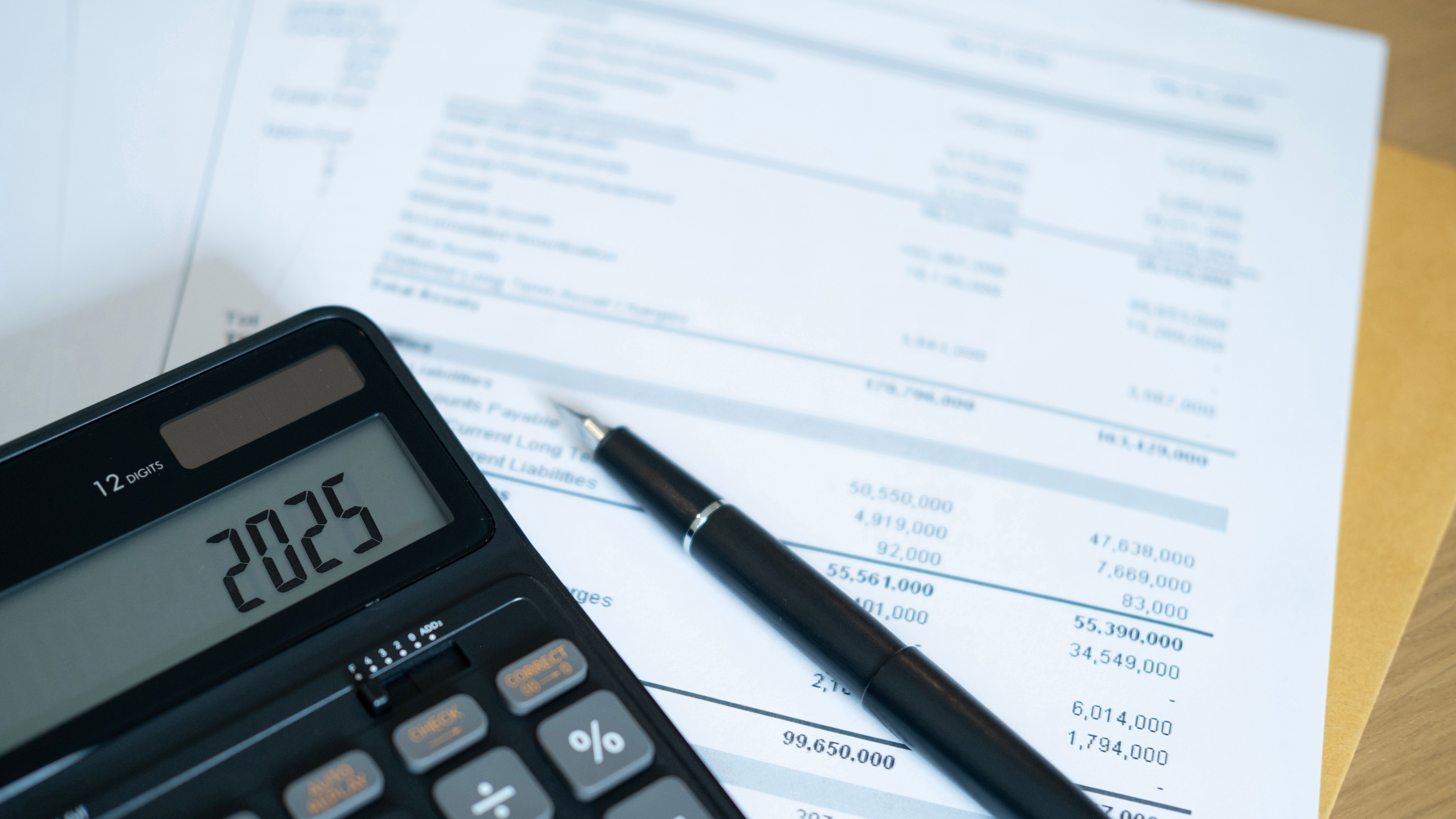
The balance sheet provides an overview of your business’s assets, liabilities, and equity. It is divided into two sections: assets and liabilities & equity.
- List all current and non-current assets.
- Identify all current and long-term liabilities.
- Calculate the owner’s equity by subtracting total liabilities from total assets.
Step 3: Create the Income Statement
The income statement, or profit and loss statement, shows your business’s revenues and expenses over a specific period. This document helps you understand your net profit or loss.
- Begin with total revenue from sales.
- Subtract the cost of goods sold to find the gross profit.
- Deduct operating expenses to calculate operating income.
- Include any other income or expenses to arrive at net profit.
Step 4: Develop the Cash Flow Statement
The cash flow statement provides insights into how cash enters and leaves your business. It is divided into three sections: operating, investing, and financing activities.
- Start with net income from your income statement.
- Adjust for non-cash expenses and changes in working capital.
- Include cash flows from investing and financing activities.

Step 5: Review and Adjust
Once you have prepared all three financial statements, review them for accuracy. Check for any inconsistencies or errors that may need correction. It’s often helpful to have a second pair of eyes, such as an accountant, to verify your work.
Regularly updating and reviewing your financial statements will help you stay on top of your business’s financial health and make informed strategic decisions.
Conclusion
Preparing financial statements can seem daunting, but with a systematic approach, it becomes manageable. By following these steps, entrepreneurs in Los Angeles can ensure that their financial documents are accurate and insightful, paving the way for successful business growth.